

Derek Rolo | March 7, 2026 | Truck Accidents
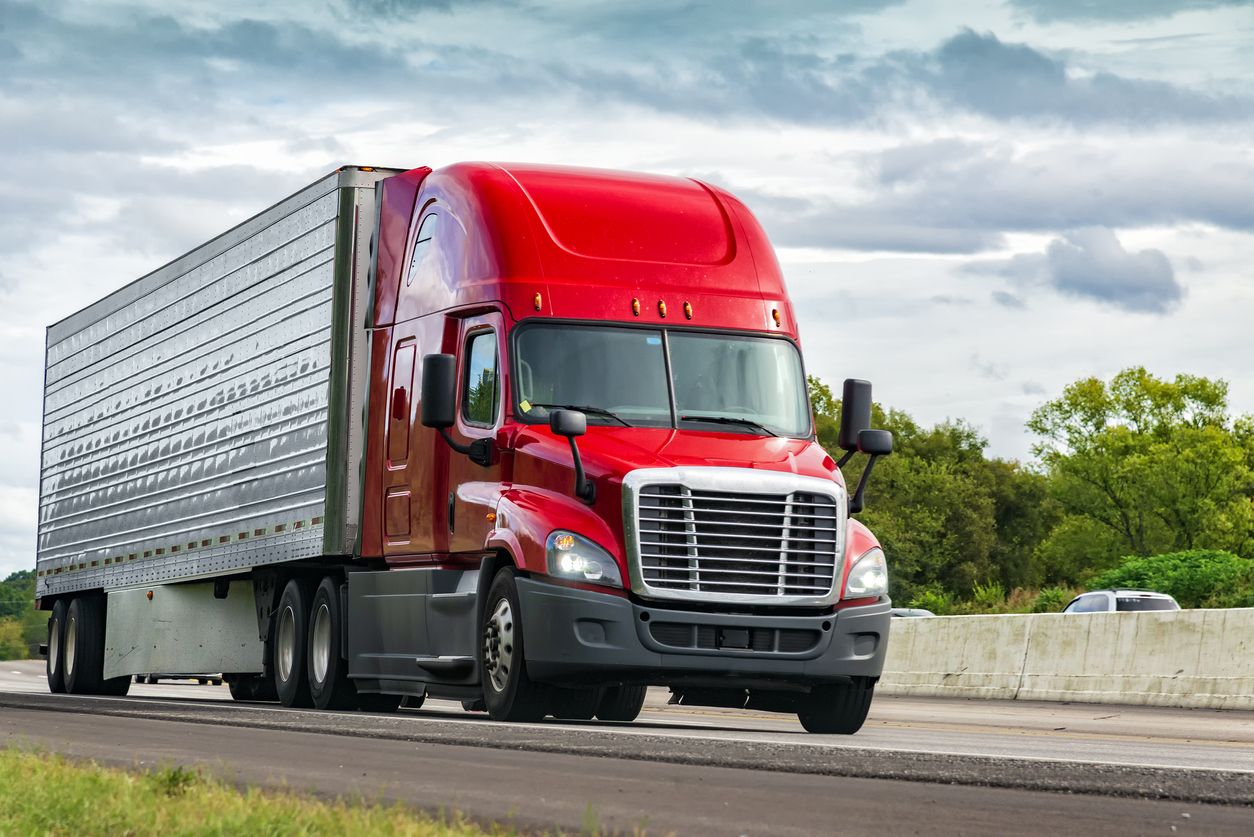
After a truck accident in or near Middletown, New York, one detail can matter a lot: was the truck operating in interstate or intrastate commerce? The difference may sound technical, but it can change which laws apply, which agency regulates the driver, and how liability is analyzed.
What Is Interstate Trucking?
Interstate trucking means moving goods or passengers across state lines. A truck traveling from New York to Pennsylvania, New Jersey, or another state is operating in interstate commerce.
A company can also be treated as an interstate carrier even when one trip stays inside one state. That can happen when the cargo is part of a larger shipment that will cross state lines.
Interstate trucking is mainly regulated by federal law through the Federal Motor Carrier Safety Administration.
Interstate trucking often involves:
- Shipments that cross state lines
- Drivers operating under federal authority
- Compliance with federal safety rules
- Federal hours-of-service limits
These rules can apply no matter where the crash happens.
What Is Intrastate Trucking?
Intrastate trucking means the trip begins and ends in the same state. For example, a truck carrying goods from Albany to Middletown without leaving New York would usually be intrastate.
Intrastate carriers are mainly regulated by New York law. Still, New York has adopted many federal motor carrier safety rules that also apply to trucks operating only within the state.
Intrastate trucking often involves:
- Shipments that stay within one state
- Regulation under New York law
- State-specific safety and registration rules
- State-enforced weight and route limits
Because New York uses many federal motor carrier safety rules for intrastate carriers, state and federal standards often overlap.
Why the Difference Matters After a Truck Accident
The difference between interstate and intrastate trucking can affect a truck accident case in several ways.
It may affect:
- Which safety rules apply
- How driver logs and records are reviewed
- Insurance requirements
- Company liability standards
- Federal reporting duties
Interstate carriers must follow federal regulations, including strict limits on driving time and rules for truck maintenance. If the company or driver broke those rules, that may become key evidence in a personal injury case.
Regulatory Oversight
Interstate trucking companies must register with the Federal Motor Carrier Safety Administration and keep a USDOT number. They can also face federal inspections and audits.
Intrastate trucking companies may also need a USDOT number, depending on the vehicle, cargo, and legal classification. Still, their main oversight usually comes from the state.
This difference can affect:
- Driver qualification files
- Safety audits
- Maintenance records
- Drug and alcohol testing compliance
After a crash, it is important to know whether federal or state rules applied. That helps show what standards the driver and company had to meet.
Insurance Requirements
Insurance coverage can vary depending on whether the carrier is interstate or intrastate.
Interstate trucking companies must meet federal minimum liability insurance rules. Those limits are often higher than the state minimums that may apply to some intrastate carriers.
Intrastate carriers may follow lower state minimums, depending on the situation. Higher coverage limits can affect how much compensation may be available after a serious crash.
Hours-of-Service Rules
Hours-of-service rules limit how long a commercial driver can stay on the road without rest. Interstate drivers must follow federal hours-of-service regulations.
These rules usually limit:
- Daily driving hours
- Total on-duty hours
- Required rest breaks
- Weekly driving limits
Intrastate drivers may follow similar state rules, but the rules are not always identical. New York has adopted many federal hours-of-service standards for intrastate commercial drivers.
When a driver exceeds these limits, it may point to fatigue and help support a liability claim.
Mixed Operations
Some trucking companies handle both interstate and intrastate routes. In those cases, the answer depends on the trip and the shipment itself. A truck may look local but still be part of interstate commerce if the cargo came from another state or is headed to another state.
Crash investigations often review bills of lading, shipping records, and company authority to decide how the trip should be classified.
How Classification Affects a Personal Injury Claim
In a truck accident case in Middletown, the interstate or intrastate label can shape the legal strategy.
Important issues include:
- Whether federal regulations were violated
- Whether the driver exceeded legal driving limits
- Whether the company failed to keep the required records
- Whether higher insurance limits apply
A violation of federal safety rules may help support a negligence claim. A violation of state rules may do the same under New York law.
Contact Rolo Law Personal Injury Lawyers To Schedule a Free Consultation With a Middletown Truck Accident Lawyer
The difference between interstate and intrastate trucking depends on whether the shipment crosses state lines and which rules govern the trip. Interstate trucking is mainly regulated by federal law, while intrastate trucking is mainly regulated by New York state law.
After a serious truck accident, that difference can affect liability, insurance coverage, and the safety rules that apply. For help, contact Rolo Law Personal Injury Lawyers at (845) 383-7790 to speak with a Middletown truck accident lawyer during a free consultation.
We proudly serve clients in Middletown, Orange County, and the surrounding areas in New York.
Rolo Law Personal Injury Lawyers
265 NY-211 Suite 106B, Middletown, NY 10940
(845) 383-7790